

Table of contents
🤖
AI-generated summary
The Apple Watch and I have had a love-hate relationship since day one. I’ve owned — or been owned by — the watch from the very first version up to the Series 4, which I just sold.
I sold it because at some point you have to ask yourself whether your digital possessions give you more than they take away in autonomy.
To start with, I didn’t wear a watch anymore — with my phone in my pocket I had no reason to have anything on my wrist. Then the Apple Watch first generation came out and, like any Apple fanboy, I gave in. The result: a very slow watch — maybe too slow — a bit like the original iPhone. Still, I was happy enough. It was an activity tracker with a screen that could do more than a simple tracker.
The update wasn’t long in coming, and I jumped on the Series 2. Much faster — a product that was finally usable. Still aiming to use it as a luxury activity tracker, I started using it for running. And that’s when it clicked: you go out for a run with just a watch on your wrist and wireless earphones for music, and you genuinely have a sense of freedom. That’s actually one of the few strengths I find in the watch — it’s an iPod on your wrist during runs. With its built-in GPS, it does the job of a sports watch and doesn’t cost much more than a dedicated one (like the Fenix from Garmin) while offering extra features.
Let’s talk about the famous features that made me sell my watch. I find the watch intrusive in daily life. Even after disabling all notifications, I always felt like I had a leash around my wrist. Every time I checked the time, I couldn’t help but see the next reminder or upcoming event, creating stress over information I didn’t necessarily need right then.
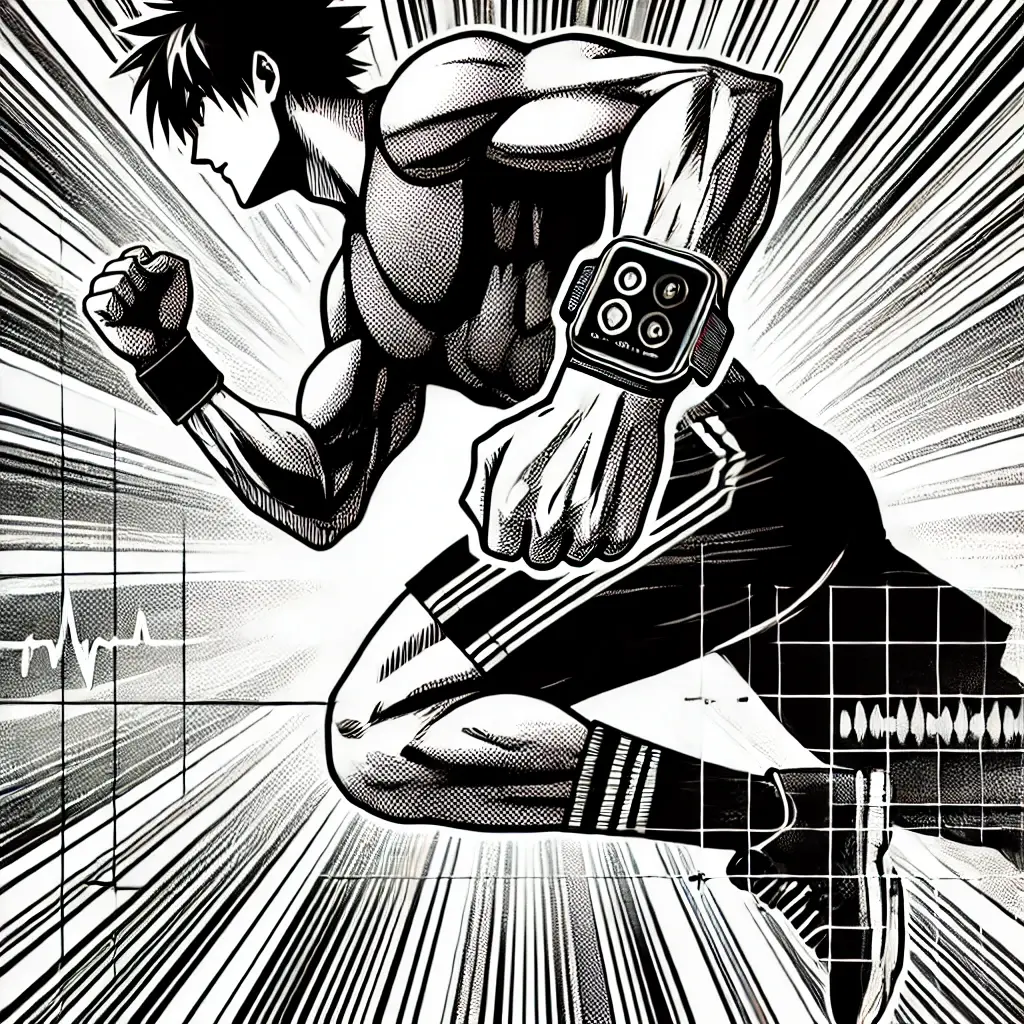
The activity tracking side is quickly addictive with the urge to close all three rings. It gets ridiculous — especially when you’ve done sport one day and the next morning those rings push you not to rest, as would be advisable, but to go again.
I think this product isn’t made for sporty people, but for those who don’t move around enough. And I don’t really fit that category.
I won’t even mention the frustration of a botched restore that would make you lose your badges — that’s what triggered the first sale of my Apple Watch 2.
An activity tracker watch isn’t suited to every sport, or even every situation in life. Let me explain: when you’re doing mechanical work or similar tasks, it’s impossible to keep the watch on your wrist without risking breaking it. But your little ring-hungry demon won’t let you set it on the table while you get the job done. So you’ll keep it on your wrist, and at the price of the watch, that’s an expensive repair if you break it.
Same goes for certain sports — especially team sports like football or rugby, where tracking that kind of activity is simply impossible. I use kettlebells in some of my workouts and keeping the watch on my wrist is genuinely dangerous. So it’s ultimately not a great tracker because a good tracker is one you keep on you as often as possible (let alone tracking your sleep).
And finally, even if we all have to get used to a world where we charge all our devices when we get home — plugging in the watch every evening has become tiresome.
Beyond these arguments that led me to sell my Apple Watch , there’s a deeper question about whether we actually need all these digital gadgets. The lifespan of an Apple Watch is around 3 years, which works out to about €10 per month for the non-cellular version. Does it really deliver value worth that price?
In the end, I replaced it with a simpler watch, dedicated in my case to running, which does the job perfectly: the Polar M430 for just €100. I wear it only to measure the effort of my running sessions — no fear of damaging it, no notifications to distract me from what I’m out there to do.