
Table of contents
🤖
AI-generated summary
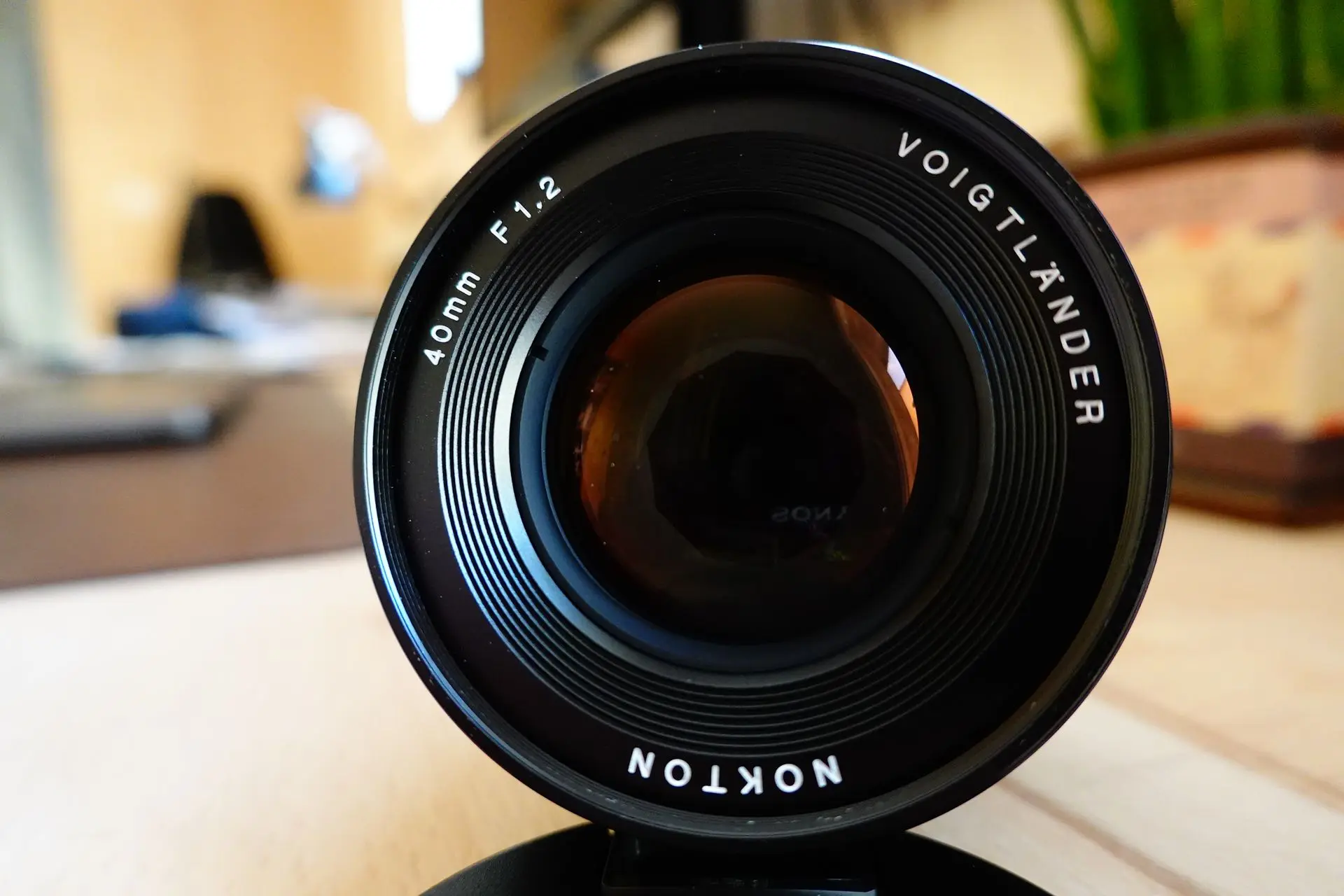
The Voigtlander 1.2 lineup in FE mount currently consists of three lenses: a 50mm, a 35mm, and a 40mm. All three have received a more compact and lighter revision called the SE. In this article I’m sharing my thoughts on the SE version of the 40mm focal length in FE mount.

Note that this is a manual version, but it has electronic contacts that allow it to communicate information to the camera body. If manual focus isn’t your thing, you can stop reading here 😅.
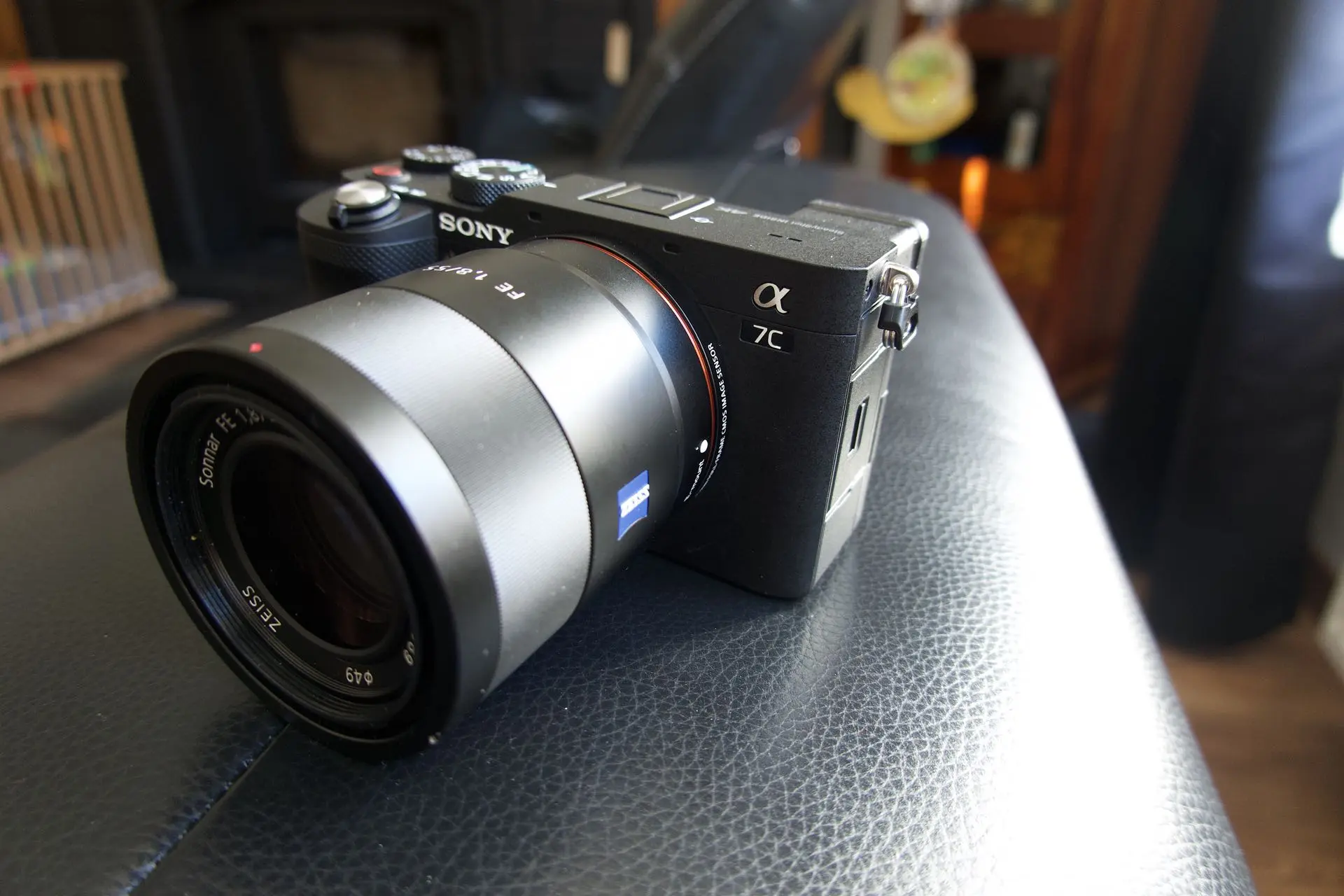
This lens is an ideal companion for a body like the Sony A7C, thanks to its size and optical qualities.

I’m a manual lens fan
My favourite lens on my Sony A7R was the Loxia 50mm F2 — first because 50mm is the focal length that suits me best, and second because this Zeiss produces stunning photos in a featherweight body, and I love lenses without autofocus. These lenses are built to last, and that’s not unrelated to my attachment to them.

Why prefer manual lenses over autofocus? I find that you take photos in a more visceral way. Shooting with a lens like this takes patience, but it’s also a way to compose your shot while you’re focusing. Thanks to focus peaking, you can see the in-focus zone directly — no need to reframe after focusing. See the difference?
On the flip side, manual focus means a lot of misses, especially on moving subjects 👶. Don’t even think about nailing your toddler’s eyes mid-sprint!

A manual focus lens is all about compromise — and that’s exactly what this Voigtlander is: a superb compromise. A lens that combines 340g on the scales with an f/1.2 aperture. Add to that its compactness and you’ll understand what I mean by compromise.
I’m a bokeh fan
This little lens didn’t disappoint me on the bokeh front — no surprise there with such a wide aperture. Get a subject up close with a distant background and you get an incredible dreamy effect. In some ways it reminds me of the much bulkier Mitakon .

With such a wide aperture of f/1.2, nailing focus requires the utmost care — but once you’ve got the hang of it, the 3D effect is exceptional. You can guide the viewer’s eye to an extremely precise spot in the frame.
Optical quality with some trade-offs
So what are the trade-offs with this Voigtlander 40mm 1.2? First and foremost, manual focus — yes, you definitely have to forget about focusing on moving subjects unless you want to miss every shot. But it’s a different way of shooting: you focus exactly where you want, not automatically on an eye 👁. You really take your time with this kind of lens.

At f/1.2, the optical quality comes with noticeable chromatic aberration in purple. At that aperture, sharpness is naturally lower than at f/1.8, but no other lens with comparable size comes close. From f/1.8 onward, sharpness is worthy of a much more expensive lens and rivals all current high-end options.
I’m a fan of well-finished lenses
This Voigtlander is comparable to Sony’s G lineup or the Sigma Contemporary — both of which have exceptional build quality 🥰. This Voigtlander upholds the brand’s rather high standards; the perceived and actual quality of this lens is exceptional. You get an all-metal lens with focus and aperture rings that are a genuine pleasure to handle.

The look isn’t bad either — it’s not as beautiful as the chrome Voigtlander 50mm 1.5
, but I prefer it to the latest Sigma Contemporary, whose rings aren’t the prettiest.
Note that we’re talking about the SE version — the first edition wasn’t very attractive and was significantly bulkier. This second edition is the one to get, even if you find the first edition second-hand for slightly less.

Budget around €900 to screw this lens onto your camera — a reasonable price, especially given an expected lifespan that’s likely to outlast the camera body itself!