
Table of contents
🤖
AI-generated summary
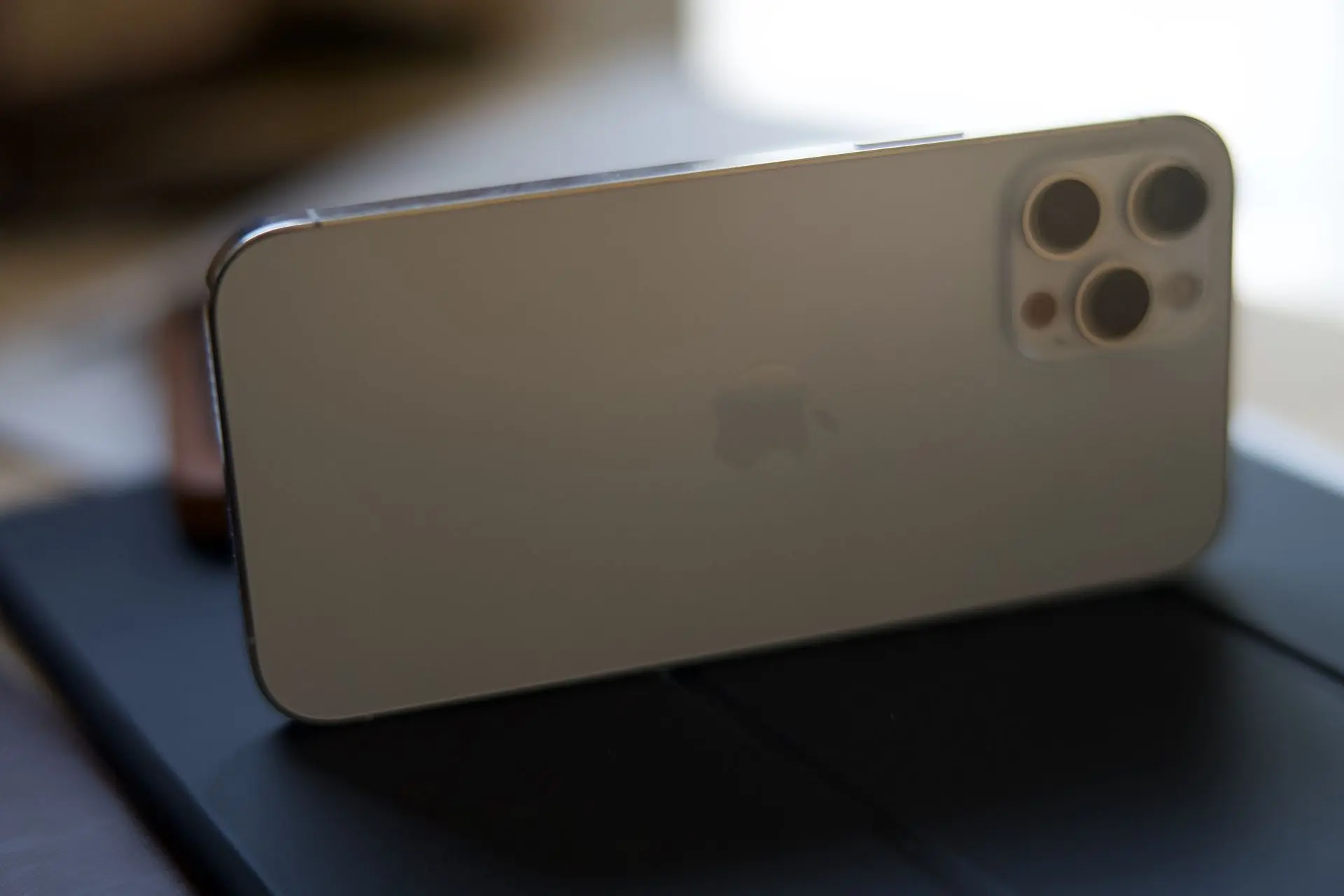
I’m attempting a completely crazy challenge 🤣 — I’m going to take the majority of my photos this year with my iPhone. I usually make a photo book each year; up to now, mobile shots were in the minority. This year they’ll be the majority, so I’ll be able to compare the difference in quality.
Why? Are you mad 🤪
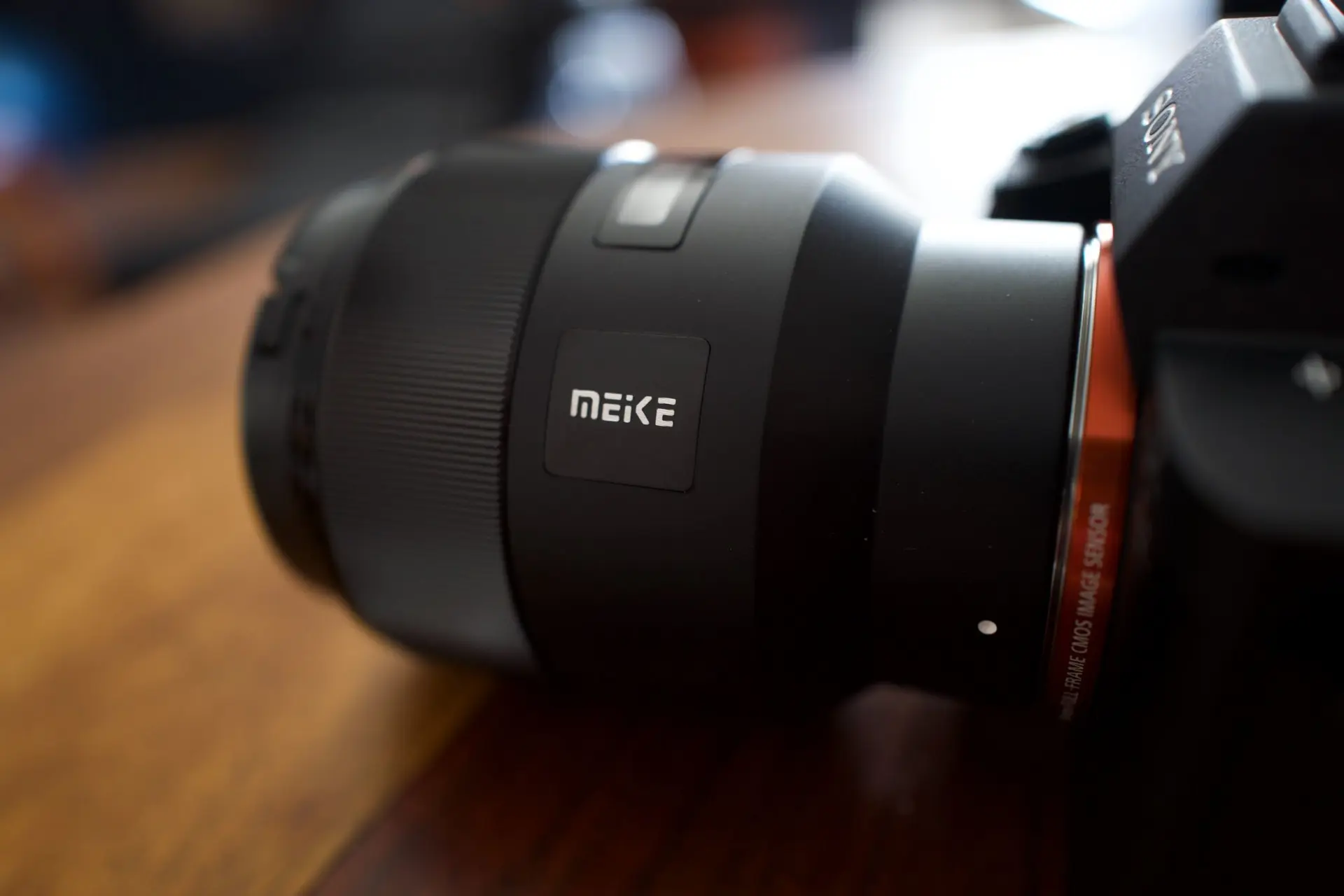
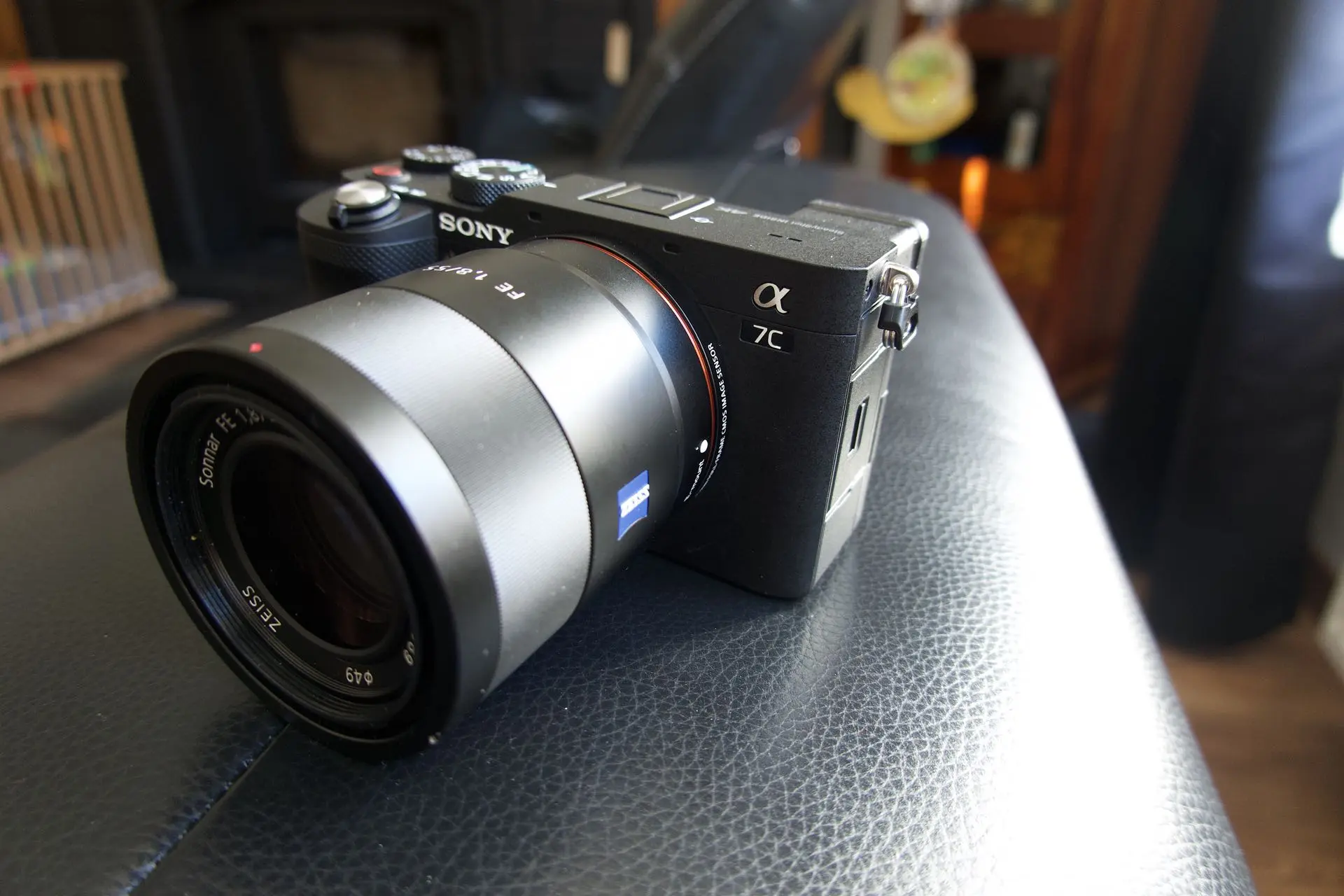
You’re probably thinking that a phone can’t match the image quality of a camera like the Sony A7 or even a Leica Q . That’s completely true, but the best camera is the one you have with you, and I unfortunately have my phone to hand far more often than my camera.

Three focal lengths or nothing
I’m a big fan of the 50mm focal length, but when I go out I like being able to shoot landscapes and that focal length isn’t great for it. The iPhone has 3 focal lengths: 13mm, 26mm and 65mm — which is no small thing. Take a standard zoom for example and you get 24mm to 70mm; with the iPhone I also have an ultra-wide angle always in my pocket.
Photos immediately
One huge advantage of the iPhone is that photos are in your library immediately, ready to be edited and/or shared. With a DSLR you have to pull out the SD card, import the photos, upload them to the cloud and share them. Some people surely enjoy that workflow and I’m not criticising it.
Applying filters
I’m experimenting with black and white photography. Indoors, the overall quality of phone photos is terrible — so indoors I favour black and white.
With the iPhone I’ve had the ability since the last version of iOS 13 to keep the colour setting locked in. The moment I pull out the phone, the last filter is applied. The big positive is that even with a black and white filter I can revert to colour — all without shooting in RAW.